
by Kate | Jan 29, 2026
Client: Technology company
Facility: £750,000 IP-backed loan
Purpose: To consolidate expensive business debt and fund expansion
Background
Our client developed a successful stop-smoking app offering users 24/7 support, craving management tools, and milestone rewards. Since launch, the app has achieved over seven million downloads.
Following an initial free testing phase, the app has been monetised by selling bulk licenses to NHS Trusts and medical professionals in Germany, creating a strong and growing revenue stream.
The business approached ASC seeking £500,000 to support European expansion and to redeem various loans taken during the app’s development, to simplify cash flow and reduce borrowing costs.
Challenges
Despite the app becoming increasingly profitable and having a very strong pipeline, including contracts with pharmacies in other European countries, our client’s bank was unwilling to provide the required funding.
Solution
We approached an alternative lender, emphasising the app’s proprietary technology and a strong pipeline of prospective new clients, to secure an intellectual property (IP)-backed loan. Given the strength of our client’s IP, the lender was willing to lend £750,000, exceeding our client’s original funding requirement by £200,000.
Finalising the deal involved negotiating with the incumbent bank to release the IP and obtaining an IP valuation. Through perseverance and close collaboration with the lender, we secured the full funding our client needed to grow their business internationally.
Outcome
The client has now consolidated its debt, reducing annual servicing costs by over £160,000, and has the funding in place to pursue international growth and capitalise on increasing demand for its app.

by Kate | Oct 31, 2025
Whatever the reasons, buying out a business partner can be a complex process, especially when it comes to funding the purchase. At ASC, we guide ambitious SME owners through every step, helping match you with the best financing options tailored to your needs.
Getting started with funding a business partner buyout
Before seeking funding for your partnership buyout, there are some essential administrative tasks to undertake first.
Obtain an independent business valuation
A crucial starting point is to determine the fair market value of your business. An impartial valuation that considers assets, liabilities, earning potential, and industry benchmarks establishes a solid foundation for transparent negotiations and helps prevent disputes later.
Review governance documents
Carefully review your shareholders’ agreement and articles of association for buyout clauses, pre-emption rights, valuation methods, and share transfer regulations. This process will help avoid surprises along the way.
Engage a specialist solicitor
Find a solicitor specialised in UK company buyouts to support you through the legal process and ensure compliance.
Consider different funding strategies
When buying out a business partner, one of the biggest hurdles is often financing the transaction. Here are your options.
Personal funds
Using personal savings is straightforward but risky and may deplete your hard-earned reserves. Selling personal assets, such as property, might release cash but could also trigger capital gains tax issues and impact your personal security.
Pros:
Cons:
- Tax-inefficient
Personal financial risk
Borrowing from friends and family
If friends or family members are willing to lend you the funds you need, that might be a good option. However, it’s important to be cautious and have a clear agreement about repayment.
Pros
Cons
- Can create tension in your personal relationships
- Ideally requires a formal arrangement
- Potential issues if the money needs to be repaid in a hurry
Using company funds
If your company has a healthy cash flow and is generating profits, you could use these company funds to finance the buyout. However, this option usually requires the full purchase price to be made in one payment, which can be a significant drain on cash flow. Also, it can be tax-inefficient with the buyer liable for Stamp Duty on the transaction and the seller’s personal estate potentially exposed to inheritance tax.
Pros:
Cons:
- Inflexible
- Can be tax-inefficient
- Negative impact on cash flow
Personal or business bank loan
Bank lending is a common choice. However, lenders often won’t fund buyouts since the money doesn’t directly benefit the business and may reduce cash flow. To succeed, you’ll need to demonstrate a strong business plan, solid management continuity, and that contracts and revenue will persist. The loan may be taken out in your personal capacity or by the business.
Pros:
- Larger sums available
- Established terms
Cons:
- Require strong ROI and management proof
Private equity
Securing an investor, such as a venture capitalist, angel investor, or high-net-worth individual, can fund a partner buyout. In exchange for their investment, the investor receives an equity stake. This option can also offer additional benefits, such as mentorship or access to the investor’s contacts.
Pros:
- Debt-free acquisition
- Access to knowledge, contacts or supply chain assistance
Cons:
- Ownership dilution
- Less autonomy
Holding company buyout
Sometimes it’s possible to structure a holding company buyout so the business itself buys back shares or facilitates the transfer. This approach can be tax-efficient, help with cashflow management, and in some cases reduce exposure to Stamp Duty or Inheritance Tax. However, it must be structured carefully with expert legal and tax advice.
Pros:
- Funds come from the company, reducing personal liability
- Staged payments
- Tax efficient
Cons:
- Requires careful construction and specialist advice
Several financing options are available for buying out a business partner. The best option for you and your business will depend on various factors, including financial situation, business goals, and buyout terms. Getting quality professional advice is crucial to ensure a correct buyout structure and consideration of all tax implications.
Build a convincing funding plan
No matter which funding route you pursue, lenders and investors will want to see evidence that your business is stable and positioned for growth, such as:
- A clear management structure post-buy-out.
- Strong customer contracts and evidence of retention.
- A clear explanation of how the buyout will deliver a return on investment, such as increased efficiency, new opportunities, or smoother governance.
The more clearly you can show the business’s future strength, the better chance you have of securing finance on favourable terms.
How ASC can help with your business partner buyout
At ASC, we specialise in helping SMEs across the UK secure the right funding. As independent brokers with decades of experience, we can:
- Access a wide network of lenders beyond the high street banks.
- Help structure complex buyout deals.
- Prepare applications that speak the language lenders want to hear.
- Provide local expertise, with directors who understand the business landscape in your region.
Our role is to make the process faster, simpler, and more effective, so you can focus on running your business while we source the right funding.
With ASC at your side, you don’t need to navigate this alone. We’ll help you weigh your options, structure your deal, and secure funding that positions your business for success.
If you’re considering a partner buyout, get in touch with us today. We’ll help you take control of your business’s future with confidence.

by Kate | Oct 31, 2025
If you’re seeking finance for your business, one option is an unsecured loan. Unlike secured loans, which are backed by assets such as property or equipment, unsecured loans don’t require collateral. Due to this, unsecured loans can appeal to small businesses and start-ups that may not have significant assets. However, as with any form of finance, there are advantages and disadvantages to consider.
What is an unsecured loan?
An unsecured loan is a type of borrowing where you don’t need to provide security for the money you borrow. Instead, lenders rely on your creditworthiness, financial performance, and business history when making a lending decision. The amount you can borrow, the interest rate, and the repayment terms are influenced by these factors.
Because there’s no asset linked to the loan, lenders assume more risk, which leads to unsecured loans often having different terms compared to secured loans.
The pros of unsecured loans
- No requirement for collateral
One of the main benefits of an unsecured loan is that you don’t need to provide collateral. This factor can be a lifeline if you don’t own property or valuable assets. It also means you’re not risking your assets if you’re unable to repay the loan, which can offer peace of mind.
- Faster application and approval
Since there’s no need for a valuation of assets, the process of applying for and getting approval for an unsecured loan is often much quicker. For businesses requiring fast access to funds, this speed can be vital. Whether you need to cover unexpected costs, invest in stock, or manage cash flow, unsecured loans can offer a faster solution than secured finance.
- Flexibility in how you use the funds
Unsecured loans usually provide greater flexibility in how the funds can be used. Lenders tend to be less restrictive, allowing you to distribute the money where it is needed most, whether that’s marketing, hiring, or expanding operations.
- Accessibility for smaller businesses
Many small businesses, particularly start-ups, don’t yet own property or valuable assets. Unsecured loans can be an effective way for these businesses to access finance without having to wait to build up collateral.
The cons of unsecured loans
- Higher interest rates
Since lenders face greater risk without security, they often charge higher interest rates on unsecured loans. Higher rates can make borrowing more costly over time. You must consider whether the increased expense is justified by the benefit of not having to pledge assets.
- Lower borrowing limits
Unsecured loans typically have lower borrowing limits than secured loans. Lenders may be reluctant to lend large sums without collateral, so unsecured loans usually cover smaller projects or short-term cash flow needs rather than significant investments or expansions.
- Stricter eligibility criteria
Lenders rely heavily on your financial history when deciding whether to offer an unsecured loan. Businesses with limited credit history, poor credit scores, or inconsistent cash flow may find it more difficult to secure this type of finance. For some, this could mean needing to explore alternative funding options.
- Shorter repayment terms
Compared to secured loans, unsecured loans generally have shorter repayment periods. While this reduces the lender’s risk, it can place more pressure on the borrower to make larger monthly payments. You must be confident in your ability to generate enough cash flow to meet these obligations.
- Personal guarantees may still be required
Although unsecured loans don’t require physical collateral, lenders may request a personal guarantee from directors or business owners. This means that if your business cannot settle the debt, the individual becomes personally responsible. While assets like property aren’t directly secured against the loan, the risk shifts to your personal responsibility.
Is an unsecured loan right for your business?
Unsecured loans offer a quick way to access funding, especially if you lack assets to provide as collateral. They can assist with immediate cash flow needs, short-term projects, or unforeseen expenses. However, they tend to be more expensive than secured loans, and the eligibility criteria may be stricter.
If you’re considering an unsecured loan, it’s important to ask:
- Do you need funding quickly?
- Can your business afford higher interest rates and shorter repayment terms?
- Are you comfortable with the possibility of providing a personal guarantee?
- Is the loan amount sufficient for your needs?
The answers to these questions will help determine whether an unsecured loan is the right fit for your circumstances.
How ASC can help
If you’re unsure whether an unsecured loan is the right choice, we can guide you through the process and help you secure finance that supports your business goals. We understand that every business is unique, and so are its funding needs. We take the time to get to know your business and match you with lenders who can provide the right solution, whether that’s unsecured finance, secured loans, or other funding options.
For help securing the right loan for your business, get in touch.

by create | Aug 5, 2025
Running a business with a partner can be exciting and rewarding, but circumstances often change. There are several reasons why a partner might want to leave the business. If you find yourself in this situation, you might be wondering, “Can I get a loan to buy out my business partner?”
Why buy out a business partner?
Business partnerships don’t always last forever. Common reasons for a partner choosing to exit include:
- Retirement or lifestyle change – one partner may be ready to slow down or step away.
- Differences in vision – you may both see the future of the business differently and decide it’s time to part ways.
- Change in personal circumstances — life events or financial needs may require a partner to leave the business.
Whatever the reason, buying out your partner can be a positive move, allowing you to maintain continuity while shaping the company’s future on your own terms.
How does a partner buyout work?
A partner buyout is essentially the purchase of your partner’s share of the business. The valuation of that share will depend on:
- The overall business valuation (often based on profits, assets, turnover, and future potential).
- The proportion of ownership your partner has.
- Any shareholder agreements or partnership contracts that are in place.
Can I get a loan for a partner buyout?
Yes, borrowing is often the most practical way to finance a buyout. Few business owners have the cash reserves to purchase a significant share outright. Several types of finance may be available, including:
- Business acquisition loanThese loans are specifically designed to fund the purchase of a business (or part of one, as in a partner buyout). They can provide the lump sum needed to buy out your partner, which you will usually repay over several years. When deciding whether to lend, lenders will assess the company’s financial performance and its ability to service the debt.
- Commercial loanA standard business loan may be suitable, especially if the amount required isn’t excessively high. Repayments are fixed and predictable, making planning easier.
- Asset financeIf your business owns valuable equipment, vehicles, or machinery, you might be able to raise funds against those assets. This option can release cash without disrupting working capital.
- Invoice financeFor businesses with a healthy sales ledger, invoice discounting or factoring can unlock cash tied up in unpaid invoices. This cash could potentially be used to part-fund a buyout.
What will lenders want to see?
Lenders will want reassurance that your business can thrive after the buyout. They are likely to assess the following:
- Business performance – financials, profit margins, and turnover.
- Prospects – evidence of stability and growth potential.
- Cash flow – your ability to service additional debt.
- Personal track record – your experience, role, and credit history.
- Security – depending on the loan size, lenders may require business or personal assets as security.
You’ll require a well-prepared business plan that demonstrates how you’ll manage operations as the sole owner, outlines your growth strategy, and explains how you’ll cover repayments

Challenges and considerations
Buying out a partner isn’t just about finding the money. There are other factors to consider, including:
- Valuation disputes – you and your partner might have differing opinions on their share’s value. A professional valuation is frequently the fairest and precise approach.
- Legal agreements – it’s essential to have a solicitor draft or review the buyout agreement to safeguard both parties.
- Cash flow impact – taking on debt will increase monthly expenses, so you need to be confident the business can handle the additional cost.
- Future growth – assess whether the buyout will limit your ability to invest in expansion or new opportunities.
The benefits of financing a buyout
While borrowing money to buy out your partner might seem daunting, it can bring long-term advantages, including:
- Full control – you have the freedom to make strategic decisions without challenge.
- Business continuity – a seamless transition prevents disruption to customers and staff.
- Future rewards – as the sole owner, you benefit from the entire financial upside of growth and success.
Many business owners find that the sense of independence that comes with a buyout outweighs the challenges of taking on debt. While it’s a significant decision, it could unlock the next chapter of growth and success for you and your company.
How ASC can help
At ASC, we’ve been helping entrepreneurs secure finance for over 50 years. Every situation is unique, and so is every buyout. Our role is to:
- Understand your business and your goals.
- Identify the most suitable finance options.
- Present your case to lenders in the right way.
- Save you time and stress by handling the process.
Because we’re independent and not tied to any one lender, we can focus solely on what’s right for you and your business.
If you’re considering a partner buyout and want to explore your finance options, get in touch with us today. We’ll help you find the right solution to make it happen.

by Conrad Robins | Jun 9, 2025
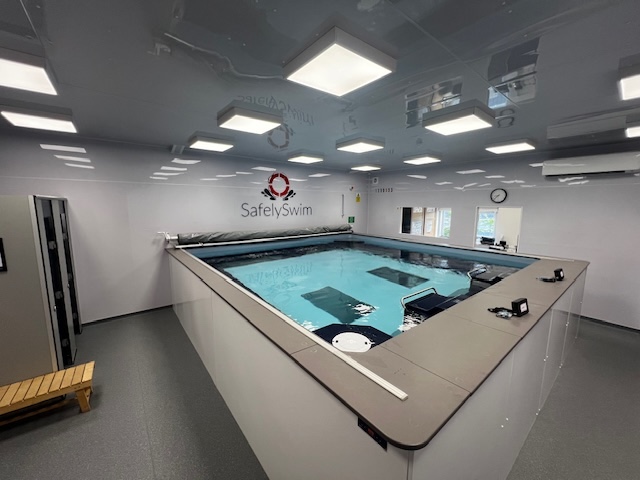
When a successful swim school aimed to make a splash in a new market, ASC provided expert support to help turn the expansion into reality.
Client: Swim school based in Kent
Facility: £100,000 unsecured business loan
Purpose: Expansion into new premises and service offering
Background – Expanding a successful swim school
Our client, SafelySwim – a swim school in Kent voted outstanding for teaching quality, had built a strong reputation operating from leasehold premises. With their current location at full capacity, they were seeking a site to open a second swimming pool and fulfil a new contract with two local Special Educational Needs (SEN) schools.
To make this leap, the business required £100,000 to fund:
- A deposit for the new leasehold premises
- The pool installation (materials and labour)
- An energy-efficient heat pump
- Working capital to cover rent, staffing, and uniforms while the new venture beds in
- A new minibus
Challenges – Overcoming finance hurdles for a growing business
This application was not straightforward as the business faced several hurdles, notably:
- The business was relatively young
- It had a poor trading history due to the impact of COVID and the business being unable to operate for a significant time
- The business was at capacity, so it was difficult to demonstrate affordability
- There were no tangible assets to secure the loan against
Solution – Building a robust case for funding
We worked closely with the client to build a robust and credible application that demonstrated the business’s growth potential and the strategic value of the expansion. Leveraging our established relationship with a senior manager at a high-street bank, we were able to present the proposal directly, advocating for the client and highlighting the merits of the application.
Our insight into the lender’s criteria and decision-making process allowed us to position the deal effectively and ultimately secure funding.
Outcome – Making waves with a new facility
We submitted the application, and just six weeks later, the client received their loan offer — a welcome surprise on Christmas Eve!
We successfully negotiated a competitive interest rate, resulting in significant savings for the client in long-term borrowing costs.
The loan was drawn down in the new year and by March the new swimming pool was fully installed, operational, and already serving their new SEN school partnerships.
“We completed the facility and just three months later everything was sorted and up and running. We are currently seeing roughly 200 Learn to Swim kids on a weekly basis at this facility.
Thank you for your help and support on this project. We wouldn’t have made it without your help!”
– Evan Waters, SwimSafely
